Sacred Nourishment: The Science of Anti-Inflammatory Diets and Wellness
Inflammation is a natural and essential process—your body’s way of healing and protecting itself. But when inflammation becomes chronic, it shifts from healing to harm. But we can return to food as medicine, rhythm as wisdom, and nourishment as an act of self-respect. Understanding the science of anti-inflammatory eating empowers us to honor both the body and the spirit.
What Is Inflammation, Really?
Inflammation is the immune system’s response to injury, infection, or imbalance. In acute situations, it helps us recover from wounds or illnesses. But when it lingers—triggered by poor diet, chronic stress, environmental toxins, or emotional suppression—it can lead to long-term issues like:
- Heart disease
- Autoimmune disorders
- Digestive problems (IBS, leaky gut)
- Joint pain (arthritis)
- Cognitive decline
- Skin flare-ups (acne, eczema)
How Anti-Inflammatory Diets Work
An anti-inflammatory diet doesn’t follow rigid rules—it follows a sacred intention: reduce internal inflammation and create conditions in the body where healing can thrive. These foods contain antioxidants, fiber, healthy fats, and phytonutrients that calm the body’s stress response, reduce oxidative damage, and support cellular repair.
TNTW-Approved Anti-Inflammatory Power Foods
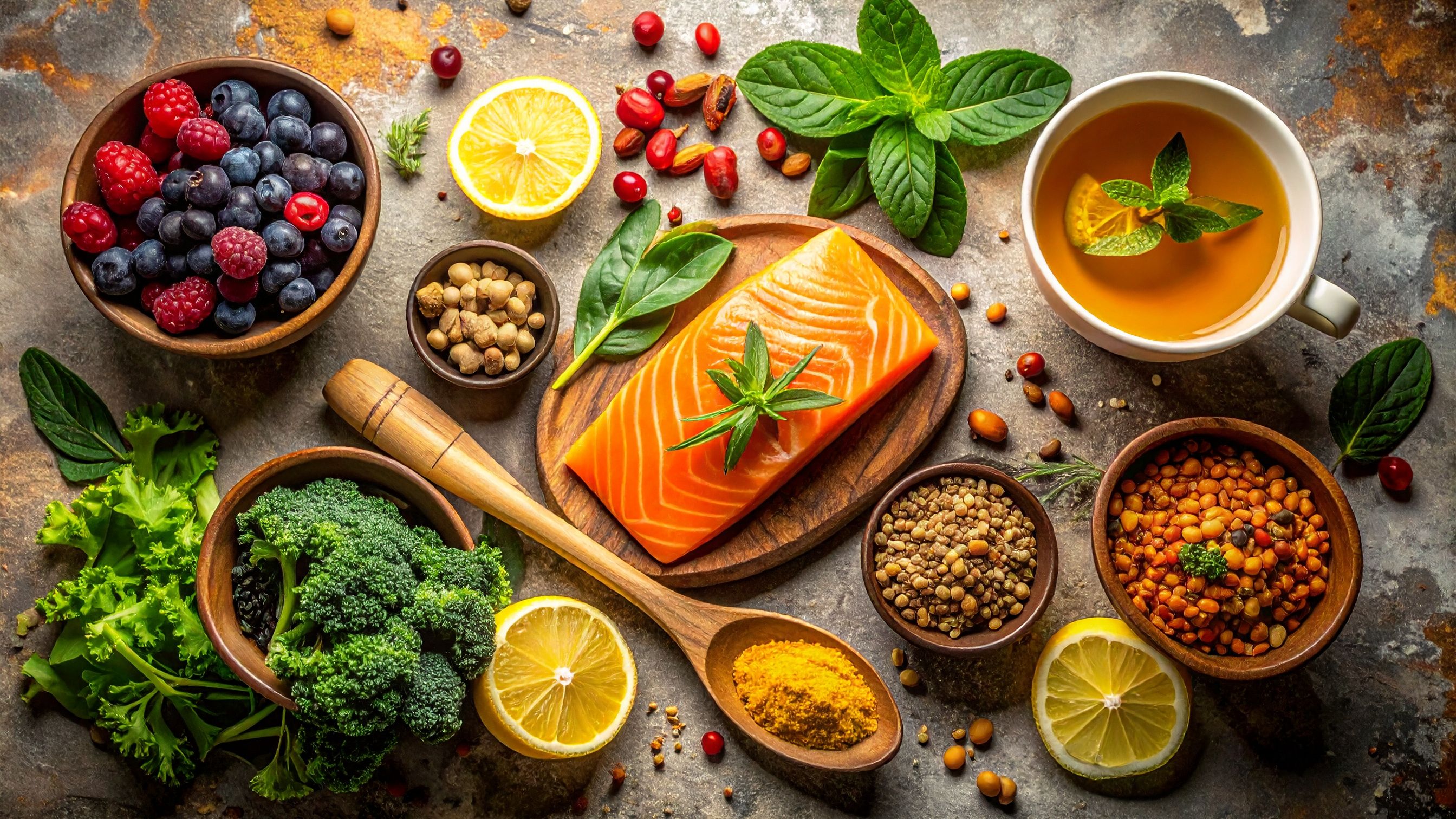
Fruits & Vegetables (especially berries, leafy greens, sweet potatoes, cruciferous vegetables)
- High in antioxidants and fiber
- Help neutralize free radicals
Healthy Fats (extra virgin olive oil, avocados, nuts, seeds)
- Reduce inflammation markers like CRP
- Support brain and hormonal health
Omega-3s (flaxseed, chia, walnuts, wild-caught salmon)
- Essential for nervous system health
- Decrease pro-inflammatory cytokines
Herbs & Spices (turmeric, ginger, cinnamon, rosemary)
- Contain potent anti-inflammatory compounds like curcumin
- Can be added to teas, smoothies, or meals
Whole Grains (quinoa, brown rice, oats—gluten-free where needed)
- Provide fiber and steady energy without spiking blood sugar
Fermented Foods (sauerkraut, kimchi, kefir, kombucha)
- Promote gut health and immune function
What to Gently Reduce or Avoid
- Refined sugars and artificial sweeteners
- Processed vegetable oils (corn, soybean, canola)
- Excess alcohol
- Fried Foods
- Dairy
- Packaged/processed foods with additives and preservatives
- Refined grains and ultra-processed snacks
These foods increase inflammation by raising insulin levels, damaging gut health, and disrupting hormonal balance.
TNTW Integrative Rituals for Anti-Inflammatory Living
- Start Your Day with Warm Lemon/Lime Water & Ginger
- Supports digestion and alkalizes the body
- Eat the Rainbow
- Make meals vibrant and full of plant diversity
- Plan Weekly Anti-Inflammatory Meals
- Prepare in advance to avoid reactive food choices
- Slow Down & Bless Your Food
- Activate parasympathetic (rest-digest) nervous system
- Use Food Journaling
- Track how foods impact your energy, digestion, and mood
TNTW Reflection Prompts
- What is one food I can add that will nourish my body more deeply?
- What foods consistently make me feel sluggish or inflamed?
- How does my emotional state affect my food choices?
The Deeper Impact: Beyond the Body
A well-nourished body supports a well-nourished mind. When inflammation is tamed, we think more clearly, feel more emotionally balanced, and have the energy to pursue soul-aligned purpose. An anti-inflammatory lifestyle is not a trend—it’s a return to harmony.
TNTW Affirmation: “My body is a sacred vessel. I nourish it with foods that restore balance, awaken energy, and honor my wholeness.”
Let your plate be a prayer. Let your nourishment be your medicine. Let your healing be slow, sacred, and deliciously aligned.
Additional Resources
- New to inflammation or need practical food guidance? Start with ‘Understanding Inflammation’ in the Lotus Library.”
-
Members can explore our Apothecary with anti-inflammatory shopping lists, recipes, herbal teas, journal reflection sheets in the Resource Toolkit Vault (RTV).