
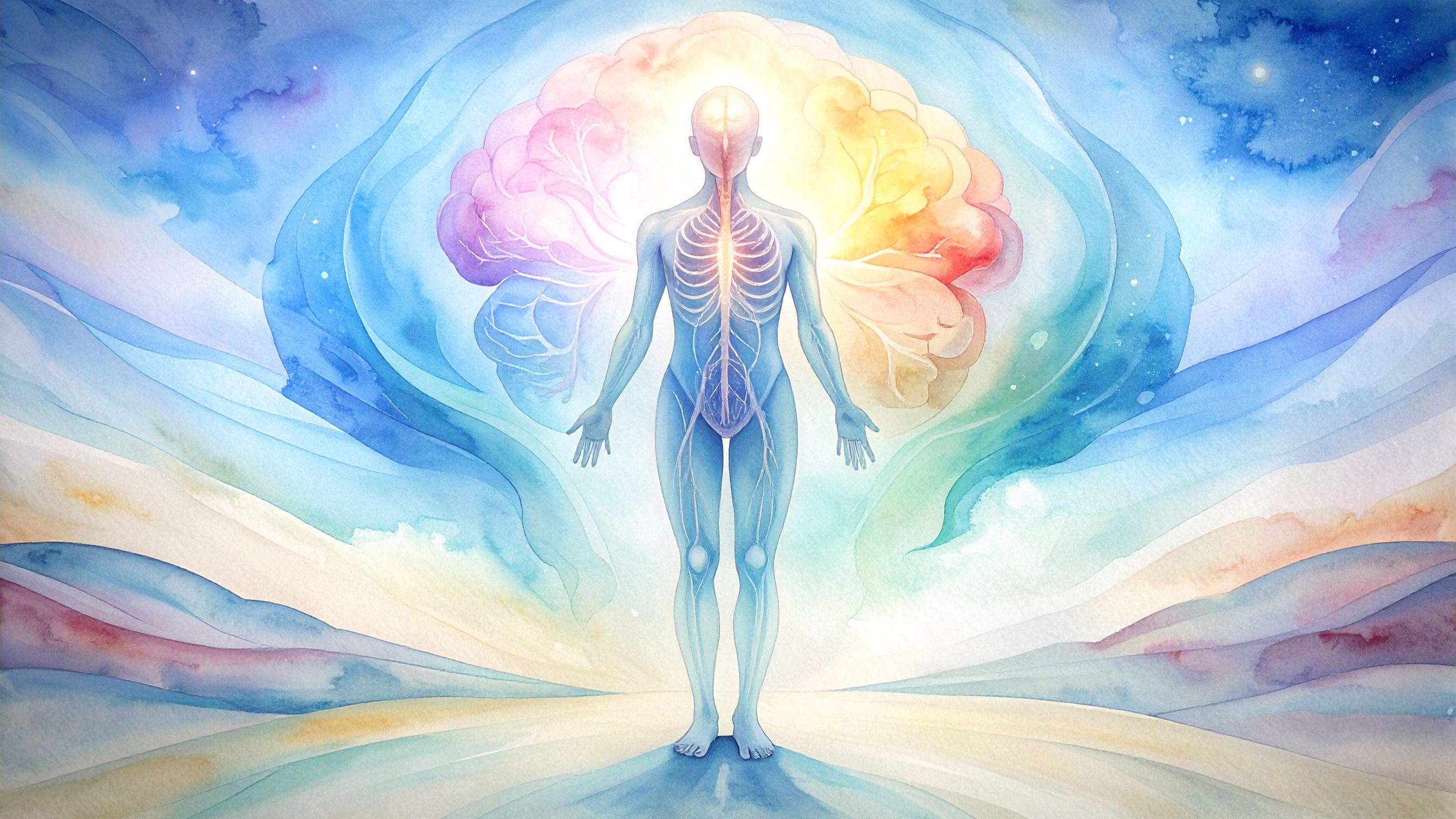
How Chronic Stress Impacts Brain Function and Mental Health
Chronic stress doesn’t just wear on your patience, it rewires your brain, drains your energy, and keeps your nervous system stuck in survival mode. At TNTW, we recognize stress not as weakness, but as a signal. A sacred red flag that it’s time to come home to your body, your breath, and your balance.
What Is Chronic Stress?
Chronic stress is when your body stays in a prolonged state of alert never quite returning to a place of rest. Over time, stress hormones like cortisol and adrenaline flood the system, reshaping your brain and impacting how you think, feel, and function.
This isn’t just mental. It’s physiological, emotional, and energetic.
The Brain on Chronic Stress
1. Prefrontal Cortex—Clarity, Focus, Decision-Making
Chronic stress impairs this “executive center,” leading to:
-
Foggy thinking
-
Difficulty focusing
-
Impulsive choices
-
Disorganized thoughts
2. Amygdala—Emotional Reactivity + Threat Response
When overactivated, the amygdala becomes hypersensitive, causing:
-
Heightened anxiety
-
Irritability
-
Fear-based thinking
-
Emotional outbursts
3. Hippocampus—Memory + Learning
Chronic stress can shrink this center, resulting in:
-
Forgetfulness
-
Difficulty learning
-
Exhaustion
Emotional + Mental Health Impacts
Chronic stress influences how you show up in the world:
-
Mood swings + depression
-
Anxiety and overwhelm
-
Irritability or emotional numbness
-
Low self-worth
-
Sleep struggles
Somatic + Physical Symptoms
Your brain and body are in constant dialogue. Chronic stress often shows up physically as:
-
Gut disturbances
-
Headaches + tension
-
Hormonal imbalance
-
Lowered immunity
-
Muscle pain
This is why healing stress requires full-spectrum care: mind, body, and spirit.
TNTW Pathways to Regulation + Repair
You can recover. You can rewire.
With consistent, compassionate practices, the nervous system can shift from survival into safety:
-
Breathwork: Activate calm through rhythmic breathing
-
Movement: Gentle daily movement to release stuck energy
-
Rest: Prioritize quality sleep for hormone and brain repair
-
Nourishment: Eat in a way that supports mood and mental clarity
-
Journaling: Externalize thought loops to find space and clarity
-
Connection: Safe spaces—therapy, community, or sacred circle—support healing
TNTW Reflection Prompts
-
Where do I physically carry stress?
-
What environments leave me feeling dysregulated?
-
What small ritual helps bring me back into rhythm?
TNTW Affirmation
“I am not my stress. I am a sacred being returning to rhythm. I choose peace over pressure and presence over panic.”
Final Reflection
Chronic stress is not your fault. It is your body asking for what it needs: safety, slowness, sanctuary. With care and consistency, your mind can heal, your nervous system can soften, and your wholeness can return.This is the path back to you—one breath, one ritual, one moment at a time.