
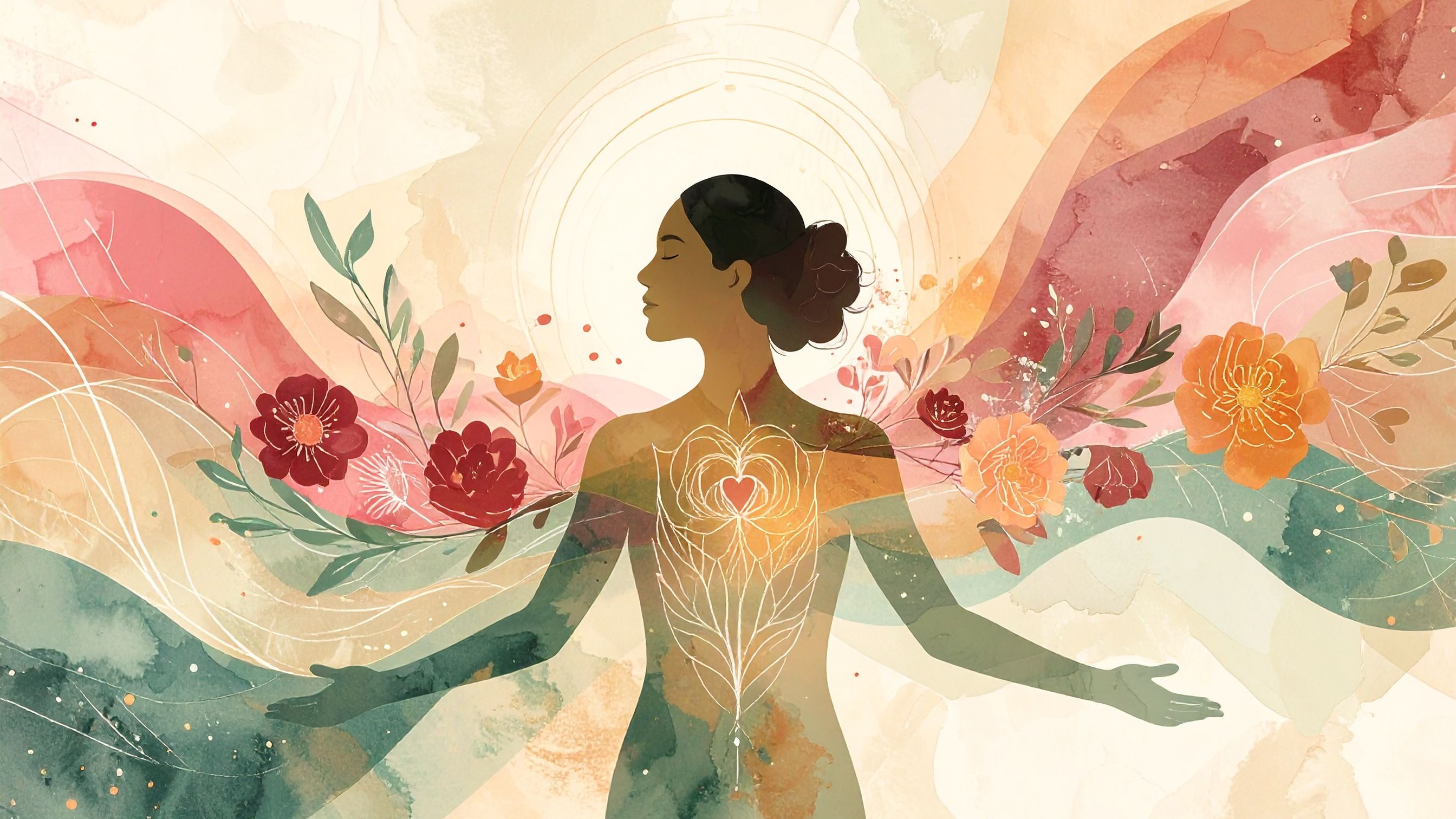
The Connection Between Emotional and Physical Pain
Pain is not just a physical signal—our emotions, memories, and inner narratives can shape how we experience discomfort in our bodies. At TNTW, we honor the sacred dialogue between heart and flesh. By understanding this connection, you gain tools to heal holistically and reclaim your wholeness.
What Is Emotional Pain?
Emotional pain arises from experiences like grief, rejection, shame, trauma, or prolonged stress. Though it lives in the heart and mind, it carries the power to:
- Disrupt sleep and appetite
- Heighten anxiety and rumination
- Trigger fatigue or emotional exhaustion
What Is Physical Pain?
Physical pain is the body’s alarm system—protecting you from harm and signaling areas that need attention. Chronic or unexplained pain may point beyond structural issues to:
- Muscle tension and rigidity
- Inflammation and immune dysregulation
- Persistent fatigue or somatic symptoms
The Mind-Body Link
Our nervous, endocrine, and immune systems communicate continuously:
- Psychoneuroimmunology shows how stress hormones (cortisol, adrenaline) fuel inflammation and pain.
- Somatic Memory: Trauma and strong emotions can lodge in tissues and muscle memory, manifesting as tightness, pain, or discomfort.
- Neural Pathways: Repeated emotional patterns can strengthen pain pathways, making both emotional and physical pain feel more intense.
Signs Your Emotional Pain Is Showing Up in Your Body
- Chronic neck, shoulder, or jaw tension
- Headaches or migraines without clear physical causes
- Digestive distress linked to stress or anxiety
- Flare-ups of autoimmune or inflammatory conditions under emotional strain
- Sudden fatigue or aches in times of emotional overwhelm
Holistic Practices for Mind-Body Healing
- Somatic Release - Gentle shaking, yoga, or Qi Gong to move stored tension through the body.
- Breathwork & Body Scan – Use diaphragmatic breathing and a guided body scan to notice areas of tightness—and invite them to soften.
- Emotional Journaling – Free-write about physical sensations and the emotions they evoke. Listen with curiosity, not judgment.
- Mindful Movement – Walking meditation or dance to integrate emotional shifts with physical expression.
- Therapeutic Support – Somatic experiencing, EMDR, or body-centered psychotherapy to address trauma held in the body.
Journal Prompts for Integration
- Where in my body do I feel tension or discomfort right now?
- What emotion or memory might be connected to this sensation?
- How can I invite compassion and curiosity into this part of my body?
- What small, loving action can I take today to support both my emotional and physical wellbeing?
Affirmation
“I listen to my body as a sacred map. With each breath and each act of care, I dissolve barriers between heart and flesh, and I heal as a whole being.”
Final Reflection
Emotional and physical pain are threads of the same tapestry—each informing the other. When you meet your suffering with presence, compassion, and mindful action, you transform pain into wisdom and alchemy. At TNTW, we walk this path with you, weaving mind and body into radiant, integrated wellness.
💫 For deepened resources: See our Art of Breathwork and Emotional Regulation Toolkit in the Ritual Toolkit Vault (RTV).