
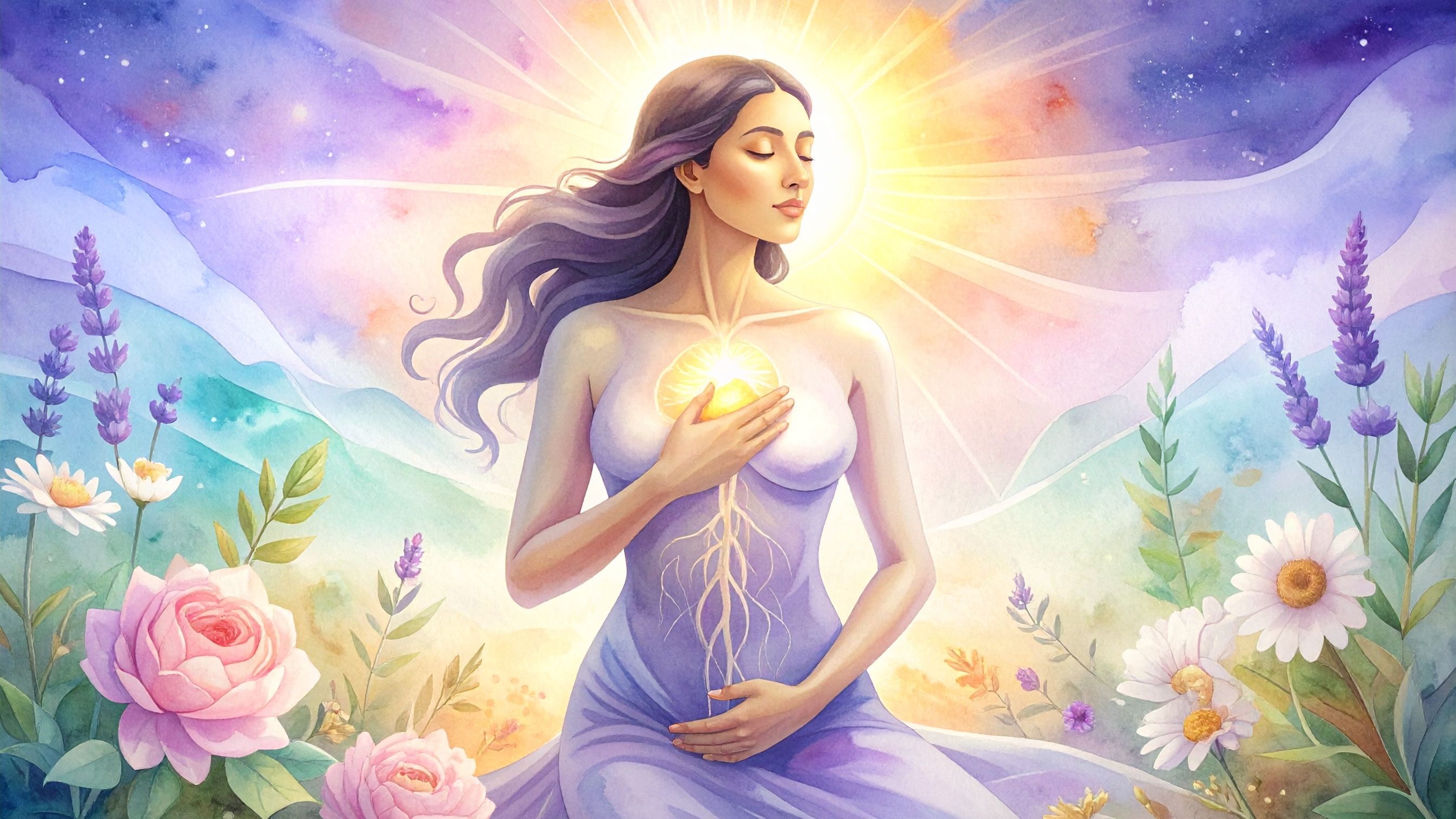
The Link Between Mental Health and Chronic Physical Conditions: A Whole-Self Approach to Healing
We know that the mind and body are not separate but rather they are sacred collaborators in our journey toward balance, vitality, and truth. The way we think, feel, and process emotion has a direct impact on how we experience our physical health. Likewise, chronic physical conditions can deeply shape our mental and emotional well-being. When we approach healing from a whole-self perspective—mental, emotional, physical, spiritual, and intellectual—we create the conditions for sustainable, integrated wellness.
Understanding the Connection
Mental and physical health are not just interrelated; they are inseparable. Scientific research and ancestral wisdom alike show that emotional stress, trauma, and chronic mental strain can lead to or worsen physical health conditions. Likewise, living with chronic physical illness can increase the risk of depression, anxiety, fatigue, and emotional dysregulation. This is not a sign of weakness, it’s a call for wholeness.
How Mental Health Influences Physical Health
- Chronic Stress & Inflammation
Prolonged emotional stress elevates cortisol and disrupts immune regulation, contributing to inflammation—a root cause of many chronic illnesses like heart disease, diabetes, and autoimmune conditions. - Trauma & the Nervous System
Unresolved trauma can keep the nervous system in a state of hypervigilance, impairing digestion, sleep, hormone balance, and cardiovascular function. - Anxiety & Tension Storage
Mental distress often manifests physically—tight shoulders, gut imbalances, headaches, chest pressure—creating a feedback loop of discomfort and worry. - Depression & Immune Function
Depression can suppress immune response, deplete energy, and reduce motivation for movement, nutrition, or connection—all of which are essential to physical vitality.
How Chronic Physical Conditions Affect Mental Health
- Emotional Exhaustion
Long-term pain or fatigue wears on emotional resilience. It can lead to burnout, irritability, and despair, especially when symptoms are persistent or misunderstood. - Identity Shifts
Living with chronic illness often challenges our sense of independence, productivity, or identity—leading to grief, self-doubt, or loss of confidence. - Isolation
Many people with chronic illness experience social withdrawal, which can amplify feelings of loneliness, sadness, or anxiety. - Medical Trauma
Negative or invalidating experiences in the healthcare system can create trauma responses that make future care harder to access and trust.
Toward Integrated Healing: What You Can Do
- Prioritize Nervous System Regulation
Breathwork, somatic therapy, gentle movement, and grounding rituals support both emotional regulation and physiological healing. - Acknowledge the Whole Picture
Hold space for both physical symptoms and emotional truths. You don’t have to choose between body and mind—they are on the same team. - Advocate for Collaborative Care
Work with practitioners who honor both your physical condition and your mental-emotional experience. Holistic, trauma-informed care is key. - Practice Self-Compassion
Living with mental health challenges or chronic illness is not a moral failure. Meet yourself with gentleness and validate your lived experience. - Build a Support Network
Connect with others who understand your experience. Whether through therapy, community circles, or trusted relationships—healing happens in connection.
Reflect and Integrate
- Where do I feel the emotional impact of my physical symptoms?
- How has my mental health shifted in response to illness or pain?
- What would integrated, compassionate support look like for me?
You deserve care that honors all of you and not just parts. Your symptoms are not just physical. Your emotions are not just mental. Your healing is not just medical; it is also spiritual, embodied, and uniquely yours. This is the return to wholeness.