
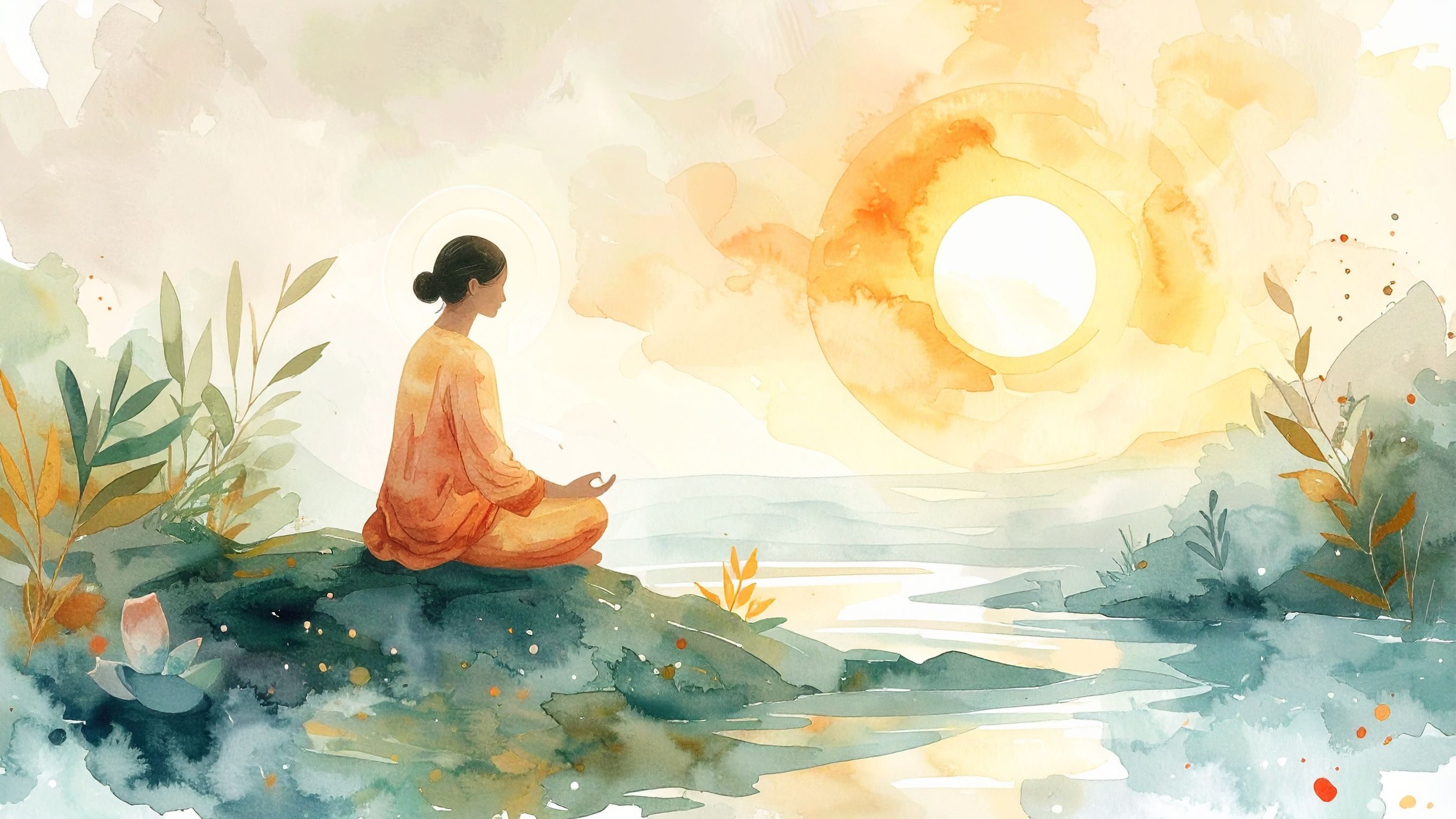
Mindfulness Techniques to Reduce Stress and Anxiety
Stress doesn’t mean you’re failing; it means you’re feeling. It means your body is asking for presence, for permission to slow down, to be held by the moment instead of hijacked by it. That’s where mindfulness comes in. Mindfulness is the practice of coming home to yourself—one breath, one sensation, one truth at a time.
What Is Mindfulness?
Mindfulness is the intentional act of witnessing the present moment without judgment. Not to fix. Not to perform. Simply to notice with compassion.
When practiced regularly, mindfulness:
-
Reduces cortisol and calms the nervous system
-
Shifts the body out of fight-or-flight mode
-
Increases emotional regulation and clarity
-
Enhances intuitive decision-making
-
Builds the sacred pause between trigger and response
It is the subtle, sovereign act of returning to now—and now is where healing begins.
Why Mindfulness Matters
Stress and anxiety are time travelers. They pull you into the regrets of yesterday or the fears of tomorrow.
But peace? Peace is only found here with this breath, body, and sacred moment.
5 Mindfulness Techniques for Everyday Life
These aren’t lengthy rituals or perfection practices. They’re intended as accessible micro-moments of presence that reset your system.
1. Box Breathing
A rhythmic breath technique to restore calm.
How to: Inhale 4 – Hold 4 – Exhale 4 – Hold 4. Repeat for 4–5 cycles.
Use when: You feel overwhelmed, scattered, or overstimulated.
2. 5-4-3-2-1 Grounding
A sensory-based reset to bring you back into your body.
How to:
-
5 things you see
-
4 things you can touch
-
3 things you hear
-
2 things you smell
-
1 thing you taste
Use when: You feel anxious, panicked, or dissociated.
3. Mindful Journaling
Write without judgment. Let the page be your mirror.
Prompts:
-
What sensations are present in my body?
-
What is my anxiety trying to tell me?
-
What does this moment need from me?
Use when: You need space to process or pause.
4. Mindful Movement
Anchor presence in the body. Walk. Stretch. Breathe.
Try: A 10-minute walk without distractions—no headphones, just you and your breath.
Use when: You feel stuck, numb, or disconnected.
5. Single-Task Presence
Choose one activity. Do it with full attention.
Example: Make tea like a ritual. Feel the warmth. Smell the herbs. Sip slowly.
Use when: You feel rushed, fragmented, or disconnected from joy.
Journal Prompts for Integration
-
What does stress feel like in my body?
-
What signals tell me I need to slow down?
-
What helps me feel grounded in the now?
-
How can I create more space for presence in my daily life?
TNTW Affirmation
“With each breath, I return to now. I trust this moment to hold me. I release the need to fix and choose instead to feel, witness, and soften.”
Final Reflection
Mindfulness doesn’t erase stress but it transforms your relationship to it by anchoring you in sovereignty, softness, and the sacred here and now. This isn’t just a practice. It’s a remembering of your calm, clarity, and wholeness.
✨ Explore deepened mindfulness resources in the member Ritual Toolkit Vault.