
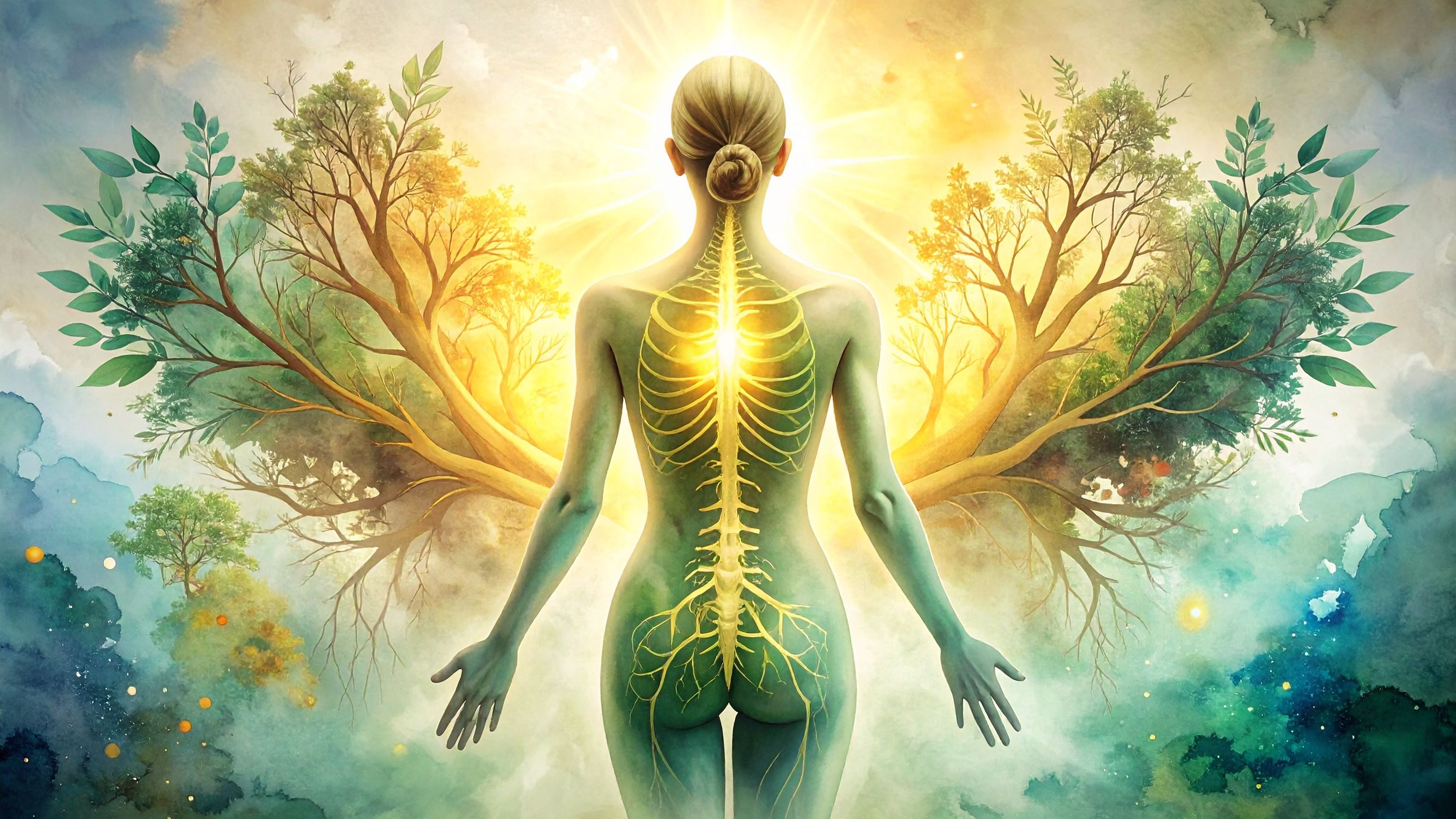
Understanding Posture: How to Avoid Musculoskeletal Pain
Creating Alignment, Easing Discomfort, and Coming Home to the Body
“Your posture is more than how you sit or stand — it’s how you carry your story, your stress, and your strength.”
We honor the body as a sacred vessel — a living archive of our experiences, our habits, and our healing. One of the clearest ways our body speaks to us is through posture. Posture reflects not just our physical patterns but also our emotional states, energy levels, and how safe or supported we feel in the world. In this guide, we’ll explore how posture plays a foundational role in physical well-being — particularly in preventing musculoskeletal pain — and how mindful alignment can support not just ease of movement, but peace of mind.
What Is Posture, Really?
Posture is the position in which you hold your body while standing, sitting, or moving. Healthy posture means that the bones, muscles, and joints are aligned in a way that minimizes strain, distributes weight evenly, and allows your body to function efficiently.
But posture isn’t just anatomical. It’s also emotional and energetic. Hunched shoulders may reflect grief or protection. A collapsed chest can signal defeat or exhaustion. An upright, open stance often mirrors confidence, curiosity, or clarity.
Posture is a mirror — of mood, memory, and muscle memory. And because our bodies remember, if we’re not aware, we may unintentionally lock ourselves into postures that reinforce pain, tension, or disconnection.
Signs Your Posture May Be Causing You Pain
• Frequent neck or upper back tension
• Lower back pain, especially after sitting or standing for long periods
• Shoulder tightness or limited mobility
• Headaches or jaw tension
• Hip, knee, or foot discomfort from imbalanced weight distribution
• Numbness, tingling, or fatigue in the arms or hands
• Feeling chronically “slouched” or compressed in the chest or ribs
Even if the pain isn’t acute, chronic misalignment quietly taxes your system—reducing breath capacity, increasing fatigue, and limiting range of motion over time.
Common Postural Patterns That Contribute to Pain
|
Pattern |
What It Looks Like |
What It Can Cause |
|---|---|---|
|
Forward Head Posture |
Chin juts out, head not aligned with shoulders |
Neck pain, shoulder strain, tension headaches |
|
Rounded Shoulders |
Slouching forward, tight chest, weak upper back |
Upper back pain, breathing restriction |
|
Anterior Pelvic Tilt |
Hips tilt forward, arched lower back |
Low back pain, tight hip flexors |
|
Collapsed Core |
Ribcage flared, belly pushes forward |
Core weakness, low back instability |
|
Weight Shifted to One Side |
Leaning on one leg or hip while standing |
Imbalanced hips, knee or ankle strain |
“The body will always find a way to adapt. But adaptation without awareness leads to imbalance.”
How to Cultivate Postural Awareness (Without Obsession)
The goal isn’t “perfect” posture — it’s dynamic alignment. A posture that feels alive, not rigid. Here’s how to begin gently reconnecting with your body’s natural alignment:
Start with the Breath
Breath is posture’s best friend. Inhale deeply. Notice how your ribs and spine expand. Exhale slowly. Feel the natural length in your neck and spine.
Practice: Pause during the day and take 3 mindful breaths. Let your spine rise with your inhale and soften with your exhale.
Check In — Not Check Out
Instead of over-correcting, check in with curiosity. Ask:
• Are both feet grounded?
• Are your shoulders relaxed and open—not forced back?
• Is your head stacked over your heart, and your heart over your pelvis?
Align From the Ground Up
No matter your position—standing, seated, or in motion—start with your foundation:
• Feet hip-distance apart and rooted
• Knees soft
• Pelvis neutral
• Spine tall and buoyant
• Shoulders relaxed and wide
• Head in line with spine, chin gently tucked
Strengthen and Stretch Mindfully
Postural correction is less about “forcing” and more about balance.
• Strengthen: Core, glutes, mid-back
• Stretch: Hip flexors, chest, hamstrings
• Supportive practices: Yoga, Pilates, resistance training, and mobility work
Red Flags: When to Seek Professional Support
Seek guidance from a physical therapist, chiropractor, or bodyworker if you experience:
• Ongoing or worsening pain despite posture awareness
• Numbness, tingling, or loss of strength
• Postural challenges from injury, pregnancy, or structural conditions
• Spinal curvature concerns (e.g. scoliosis)
Support is sacred. You don’t have to navigate this alone.
Holistic Practices to Support Postural Wellness
• Somatic Bodywork – Methods like Feldenkrais or Alexander Technique rewire habitual patterns
• Yoga + Breathwork – Cultivates core strength, flexibility, and nervous system support
• Walking Meditation – Promotes mindful, aligned, rhythmic movement
• Therapeutic Massage – Reduces chronic tension and restores balance
“Your spine is your soul’s scaffolding. Care for it like the sacred structure it is.”
Tiny Shifts, Big Results: Everyday Posture Tips
• Switch sitting positions often
• Raise phone or laptop to eye level
• Use lumbar cushions for long desk hours or driving
• Avoid overloading one shoulder with bags
• Dance. Stretch. Roll on the floor. Counter modern stillness with joyful movement.
Closing Reflection: Posture as Presence
Posture isn’t about rigidity. It’s about readiness. It’s your body saying, “I am here. I am open. I am supported.” By tending to your posture with care and curiosity, you begin to carry yourself differently — not just physically, but energetically.
“Stand tall not because the world demands it, but because your soul remembers how.”